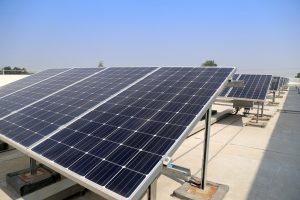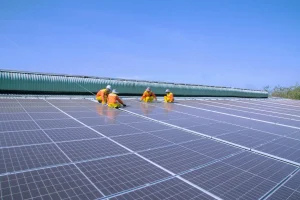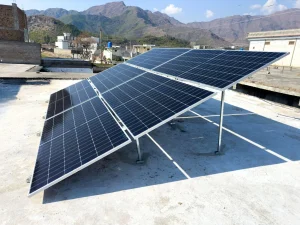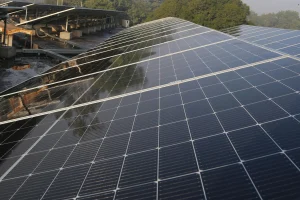
Pakistan is one of the most solar-rich countries in the world. With abundant sunlight throughout the year, solar energy systems can generate significant electricity for homes and businesses. However, the actual output of solar panels depends on multiple factors including location, system size, panel efficiency, and seasonal conditions.
Understanding how much electricity solar panels can generate in Pakistan helps homeowners make informed investment decisions and estimate their potential savings.
Why Pakistan is Ideal for Solar Energy
Pakistan receives strong solar radiation ranging between 4.5 to 6.5 kWh per square meter per day, depending on the region.
Average Sunlight Hours by Region
- Punjab: 5–6 hours per day
- Sindh: 6–7 hours per day
- Balochistan: 6–8 hours per day
- KPK: 4.5–5.5 hours per day
- Gilgit Baltistan: Slightly lower during winter
This makes Pakistan highly suitable for solar power generation throughout most of the year.
How Much Electricity Does a 1 kW Solar System Generate?
On average in Pakistan:
A 1 kW solar system generates:
- 4 to 5 units (kWh) per day
- 120 to 150 units per month
- 1,400 to 1,800 units per year
This may vary slightly depending on city and weather conditions.
Estimated Output of Common Solar System Sizes
| System Size | Daily Units | Monthly Units | Annual Units |
|---|---|---|---|
| 1 kW | 4–5 kWh | 120–150 | 1,400–1,800 |
| 3 kW | 12–15 kWh | 360–450 | 4,500–5,400 |
| 5 kW | 20–25 kWh | 600–750 | 7,200–9,000 |
| 10 kW | 40–50 kWh | 1,200–1,500 | 14,000–18,000 |
Most Pakistani households install 5 kW systems, which are suitable for medium-sized homes.
Factors That Affect Solar Panel Output in Pakistan
1. Location
Southern cities like Karachi, Multan, and Hyderabad produce slightly higher output due to stronger sunlight.
2. Panel Efficiency
Modern Tier-1 panels have efficiency rates between 18% to 22%, increasing power generation.
3. Dust and Smog
Pakistan’s dusty environment can reduce output by 10–20% if panels are not cleaned regularly.
4. Temperature
Extreme heat can slightly reduce panel efficiency, though high sunlight compensates for this effect.
5. Tilt Angle
Optimal tilt angle in Pakistan is generally between 25° to 30°, depending on city.
Seasonal Solar Production in Pakistan
Summer
Highest electricity production due to longer daylight hours.
Winter
Production may drop slightly due to shorter days and fog/smog.
Monsoon
Cloud coverage may temporarily reduce output, but overall yearly production remains strong.
Example: 5 kW Solar System in Lahore
A properly installed 5 kW system in Lahore can generate:
- 20–23 units per day
- Around 650 units per month (average)
- Enough to significantly reduce or eliminate electricity bills for most homes
Can Solar Panels Run a Full House in Pakistan?
Yes. A 5 kW to 10 kW system can:
- Run fans, lights, refrigerator
- Power air conditioners (1–2 units)
- Support washing machines and small appliances
- Reduce dependency on WAPDA
With net metering, excess electricity can be exported to the grid.
Net Metering Impact on Generation
When solar panels generate more electricity than required:
- Extra units are sent to the grid
- Units are adjusted in monthly bill
- Annual savings increase significantly
Net metering makes solar investment even more profitable in Pakistan.
How to Calculate Your Solar Requirement
To estimate your required system size:
- Check monthly electricity bill (units consumed)
- Divide monthly units by 30
- Divide daily units by 4.5 (average production per kW)
Example:
If your monthly usage is 600 units:
600 ÷ 30 = 20 units/day
20 ÷ 4.5 = 4.4 kW system required
So a 5 kW system would be ideal.
Final Thoughts
Solar panels in Pakistan can generate substantial electricity due to high solar radiation levels across the country. A properly installed system can reduce electricity bills by 70% to 100%, depending on system size and usage.
With rising electricity prices and increasing energy demand, solar energy remains one of the smartest long-term investments for Pakistani homeowners and businesses.