With rising electricity prices and frequent load shedding in many parts of Pakistan, more homeowners are switching to solar energy. However, one of the most common questions is:
Should you choose a Hybrid solar system or an On-Grid solar system?
Both systems have advantages and limitations. The right choice depends on your electricity usage, budget, load shedding situation, and backup requirements.
This guide explains the differences, benefits, drawbacks, and estimated costs of Hybrid and On-Grid solar systems in Pakistan.
What is an On-Grid Solar System?
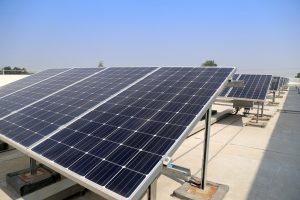
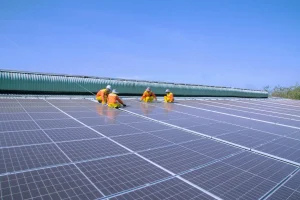
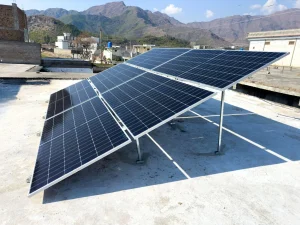
An On-Grid (Grid-Tied) solar system is directly connected to the WAPDA grid. It does not include batteries.
How It Works
- Solar panels generate electricity.
- The inverter converts DC to AC.
- Electricity powers your home.
- Extra units are exported through net metering.
- At night, electricity is taken from WAPDA.
Pros of On-Grid Solar System
- Lower initial cost
- No battery maintenance
- High efficiency
- Net metering benefit
- Faster ROI (Return on Investment)
Cons of On-Grid Solar System
- No backup during load shedding
- Completely dependent on grid availability
- Cannot store excess energy
In case of power outage, the system automatically shuts down for safety reasons.
What is a Hybrid Solar System?
A Hybrid solar system combines:
- Solar panels
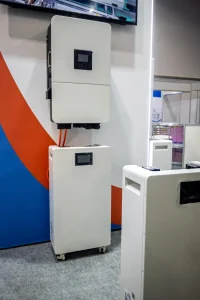
- Hybrid inverter
- Battery storage
- Grid connection
It allows you to use solar power, store excess energy, and draw electricity from the grid when needed.
How Hybrid System Works
- Solar powers your home during the day.
- Extra energy charges batteries.
- Excess after battery charging can go to grid (if net metered).
- During load shedding, batteries provide backup.
Pros of Hybrid Solar System
- Backup during load shedding
- Energy storage
- More energy independence
- Flexible system operation
- Ideal for areas with frequent outages
Cons of Hybrid Solar System
- Higher initial cost
- Battery replacement cost (after several years)
- Slightly lower efficiency due to battery conversion losses
Cost Comparison in Pakistan (2026 Estimates)
Prices vary by brand and city, but average market estimates are:
5 kW On-Grid System
- Cost: PKR 750,000 – 900,000
- No batteries included
- Suitable for areas with minimal load shedding
5 kW Hybrid System (with batteries)
- Cost: PKR 1,050,000 – 1,400,000
- Includes lithium or tubular batteries
- Ideal for backup needs
Battery type greatly affects pricing.
Which System is Better for Pakistan?
Choose On-Grid If:
- Your area has stable electricity
- You want lower upfront cost
- You want maximum ROI
- You plan to use net metering
Choose Hybrid If:
- Your area has frequent load shedding
- You need backup for appliances
- You want energy independence
- You can afford higher investment
Electricity Generation Difference
Both systems generate similar solar power during the day. The difference is:
- On-Grid: exports excess power
- Hybrid: stores excess power in batteries
Generation depends on system size, not system type.
Maintenance Comparison
On-Grid:
- Lower maintenance
- No battery monitoring
Hybrid:
- Battery health monitoring required
- Periodic battery inspection
- Slightly higher maintenance cost
Net Metering Compatibility
Both systems can support net metering in Pakistan, provided:
- Approved inverter brand
- NEPRA compliance
- DISCO approval
Hybrid systems allow both storage and export options.
ROI (Return on Investment)
On-Grid systems usually recover investment in:
4 to 5 years
Hybrid systems recover investment in:
5 to 7 years (depending on battery cost)
Final Recommendation
If your primary goal is bill reduction and your area has reliable electricity, an On-Grid system is more cost-effective.
If your priority is backup power and energy independence, especially in areas with frequent outages, a Hybrid system is the better option.
Before installation, always:
- Assess monthly unit consumption
- Check load shedding frequency
- Compare battery options
- Consult certified solar installers